Midterm Elections Decide House, Senate and Governorship Control
Midterm elections on Nov. 4 will decide control of the U.S. House, Senate and 39 governorships, influencing President Trump's agenda.
 Politics
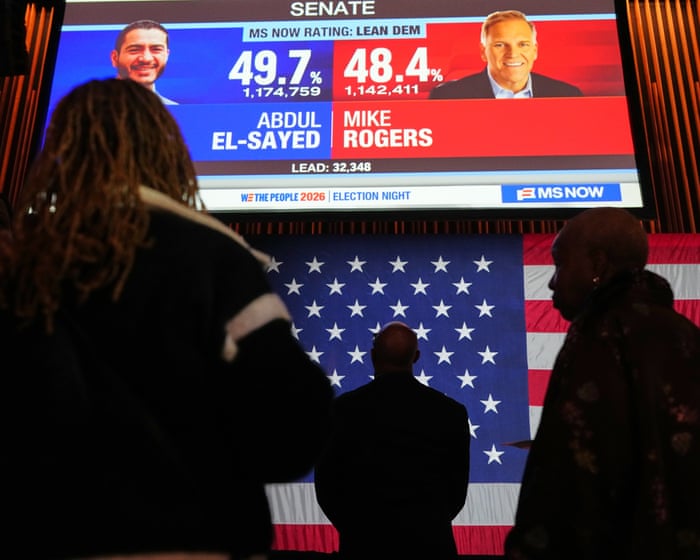
On November 4, 2026, American voters will cast ballots in a nationwide midterm election that could reshape the balance of power in Congress. All 435 seats in the House of Representatives are up for grabs, with Republicans defending a slim majority and Democrats needing a net gain of four seats to take control.
In the Senate, 35 of the 100 seats are contested, including 33 regular elections and two special races in Florida and Ohio. Republicans currently hold 53 seats, while Democrats and independents caucusing with them hold 47; Democrats must win four additional seats to claim a majority.
Voters will also choose governors in 36 states and three U.S. territories, adding to thousands of state legislative, local, judicial and ballot‑measure contests on issues such as taxes, abortion rights and voting rules.
Why It Matters
The midterms serve as a referendum on President Trump’s agenda and will determine whether his party can continue to shape U.S. policy, a development closely watched by European partners.
More in Politics
 Politics
Harvard Nutrition Scientist Walter Willett Caught in Trump‑Era Harvard Conflict
 Politics
Democrats Outline 12-Stage 2028 Primary Amid Trump Praise for Nvidia CEO Return
 Politics
Democrat Chuck Hubbard Upsets 11-Term Republican Virginia Foxx in NC
 Politics
Trump Issues Executive Order to Limit Congressional Contractor Oversight
 Politics
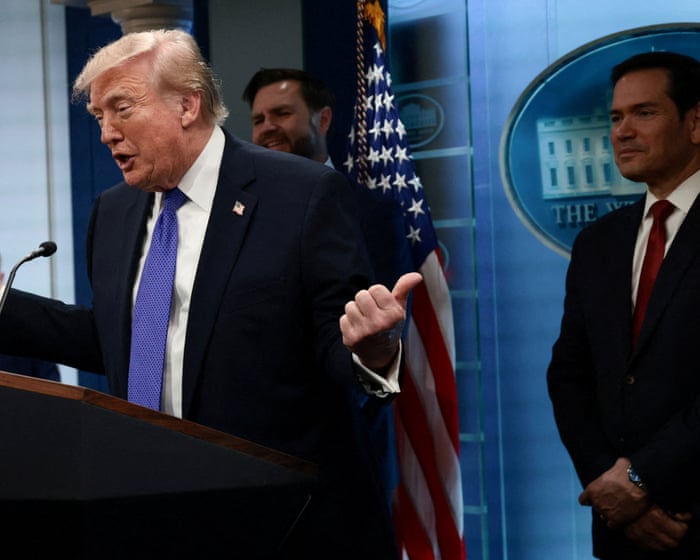
Trump Uses White House Press Conference to Test 2028 Successors
 Politics