Polling Risks Rise as Trump Voters May Skip Surveys, Experts Say
Experts warn that refusal to answer polls, especially by Trump voters, can skew survey results and affect election forecasts.
The New York Times explains why recent surveys risk misreading public opinion, noting that non‑response among certain voter groups, especially supporters of former President Donald Trump, can skew results. The article answers reader questions about how refusal to participate, sampling flaws and question wording can lead to inaccurate polls.
Experts cited in the piece warn that when a sizable segment of a political base declines to answer, pollsters may underestimate that group's size and preferences. Additional pitfalls include outdated voter lists, over‑reliance on online panels, and the timing of fieldwork, all of which can compound errors.
The report also highlights methodological safeguards, such as weighting adjustments and transparent reporting, that can mitigate these risks, but stresses that no poll can fully eliminate uncertainty when key demographics are under‑represented.
Why It Matters
Accurate polling informs voters, campaigns and policymakers in the US and Europe, shaping expectations ahead of upcoming elections.
More in Politics
 Politics
Harvard Nutrition Scientist Walter Willett Caught in Trump‑Era Harvard Conflict
 Politics
Democrats Outline 12-Stage 2028 Primary Amid Trump Praise for Nvidia CEO Return
 Politics
Democrat Chuck Hubbard Upsets 11-Term Republican Virginia Foxx in NC
 Politics
Trump Issues Executive Order to Limit Congressional Contractor Oversight
 Politics
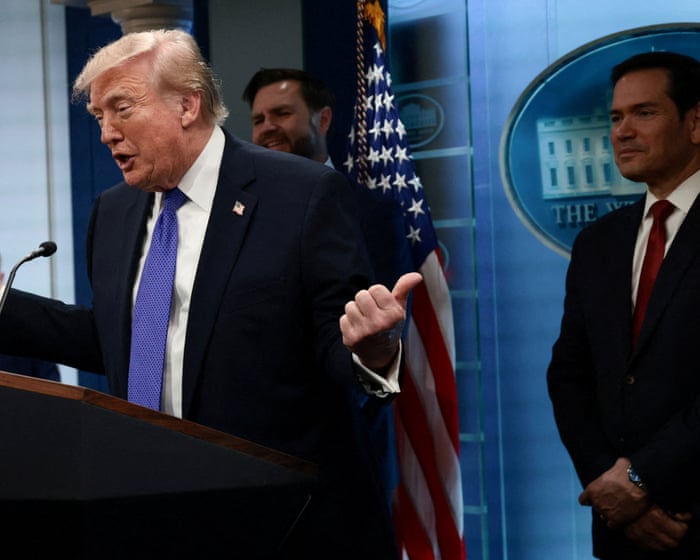
Trump Uses White House Press Conference to Test 2028 Successors
 Politics