US Union Decline and Right‑Wing Labor Ties Ahead of Midterms
US union density falls to 10%, right‑to‑work laws hinder organizing, and right‑leaning unions back Republicans ahead of the midterms.
 Politics
Union density in the United States has fallen to about 10 percent, far below that of other wealthy nations, according to Guardian reporters. The drop has been driven by long‑standing anti‑union campaigns, legal obstacles that allow employers to delay bargaining for years, and right‑to‑work statutes that limit union resources.
The impact of these factors is evident in high‑profile organizing battles such as the Starbucks case, where nearly five years have passed since the first store voted to unionize in December 2021 without a contract in place. Meanwhile, the few right‑leaning unions that exist are largely law‑enforcement groups that consistently back Republican candidates, even as the GOP generally opposes collective bargaining.
Some traditional unions, like the Teamsters, are attempting to bridge the partisan gap by courting Republican support for legislation in exchange for endorsements, highlighting a strategic shift as the November midterm elections approach.
Why It Matters
The weakening of labor unions could shape voter sentiment and policy outcomes in the upcoming US midterm elections, with implications for workers' rights in Europe.
More in Politics
 Politics
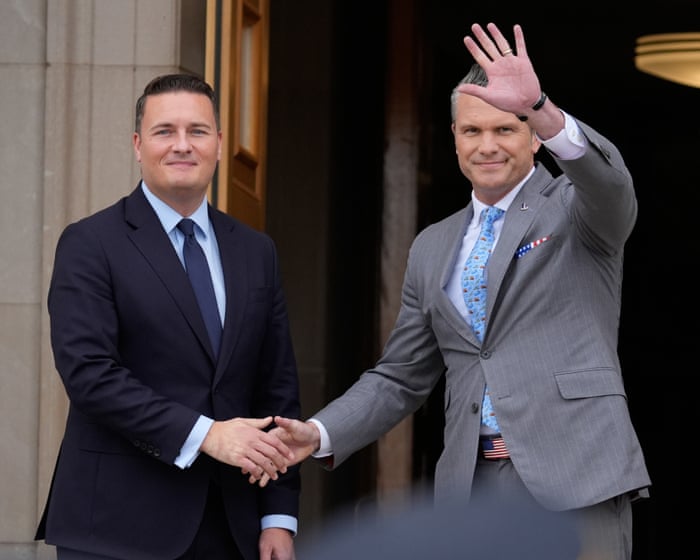
UK Defence Secretary Wes Streeting Calls on US to Back Ukraine
 Politics
Trump Cancels Livestream of Fort Hood Attacker Execution
 Politics
Democrats Propose Bill to Hold Banks Accountable for Epstein Finances
 Politics